Friday, December 30, 2016
Emotionally Abusive Relationships: Part 2
No comments,
Please click HERE to read or post comments.


 Mission Statement: Mitigating the shame around sexual abuse, to emphasize recovery and to raise the level of mental health in society.
Thursday, December 15, 2016
MERRY CHRISTMAS
Holiday Mental Health: Merriment When You Don’t Feel Merry
Do you hate the holidays? The holiday season affects mental health. All the merriment can increase a sense of depression, anxiety, and isolation. Festivities can exacerbate the stresses and symptoms of eating disorders. In general, the people, sights, smells, and sounds can be overwhelming for almost anyone living with a mental illness.The holiday season is here, wanted or unwanted, but you do have some control (Manage Your Mental Illness Through the Holidays). You can choose to deal with the merriment in a way that works for you even when you don't feel merry. Try these suggestions to aid your mental health through the holiday season:
- Let time be on your side. If you must go to a merry place but don't want to, tell the host that you can only stay for a while. Knowing that you can leave at a set time can help you endure.
- Busy yourself. Do crowds or small talk make you anxious? Distance yourself by staying busy doing something other than mingle.
- Be selective. Chose one or two events to attend, and then politely decline other invitations.
- Make yourself merry. If you don't have holiday festivities in your life, be merry for yourself. Pamper yourself, do what you love, and create a gratitude list.
Related Articles Dealing with Mental Health and the Holidays
- Mental Health Relapse and Family During the Holidays
- Do’s and Don’ts to Avoid Holiday Depression
- PTSD: The Holiday Season’s Unwelcome Guest
- Dealing with Bipolar at the Holidays — Expectations
- How to Enjoy the Holidays with Your Mentally Ill Loved One

No comments,
Please click HERE to read or post comments.
Mission Statement: Mitigating the shame around sexual abuse, to emphasize recovery and to raise the level of mental health in society.
Subscribe to:
Comments (Atom)
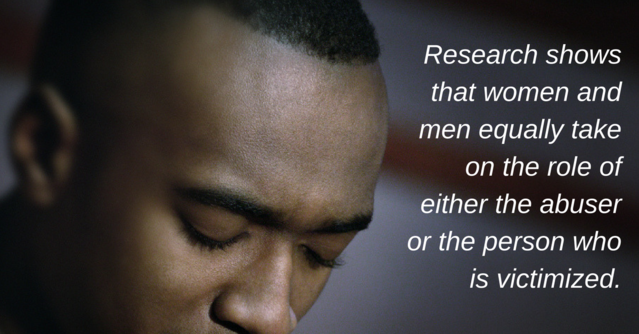
- Communication is designed to humiliate, shame, or demean. The abuser enjoys “finding fault” with or “correcting” their partner, frequently pointing out their mistakes as a way to put them down both privately and in front of other people.
- The abuser frequently belittles or disregards the other person’s thoughts, feelings, opinions, suggestions, or ideas, making it unsafe for them to freely or safely express themselves. In addition, they disregard the other person’s right to privacy or boundaries.
- Teasing and sarcasm are employed to make the other person appear foolish. Yet when the victim complains they are accused of being “overly sensitive” or not having a sense of humor.
- The abuser seeks to control all aspects of the relationship through financial withholding, verbal or physical intimidation, sex, granting or denying “permission,” stalking or harassing, or by making unilateral decisions that impact the other person.
- The victim often feels “punished” by the abuser and over time is brainwashed into believing that they deserve the maltreatment they’ve received.
- The abuser is usually emotionally distant and unavailable, forcing their partner to “work for” even the smallest degree of validation, support, or comfort. The victim is also made to feel guilt for wanting any emotional connection at all.
Since all of these behaviors are “normalized” or justified by the abuser, they create tremendous confusion and self-doubt in the victim. Part of why it’s so difficult for the victim to summon the courage to leave an emotionally abusive relationship is because they continually question their right to be upset, afraid, angry, or unhappy. In these situations, the support, guidance and encouragement of a well trained professional who understands the nuances of emotional abuse becomes a necessary resource.If you’ve found the strength to leave this kind of relationship, please share your story to inspire others.
About the Author
I hope you liked this article as much as I did.
-Deborah