Tuesday, April 14, 2015
SVAVA'S POST
Self Denial
For this third week of National Child Abuse Prevention month, I’d like to talk about self-denial. Part of surviving child sexual abuse is learning to deny the reality of what’s happening to us.
To do that, we made up stories about our families and ourselves. It’s how we survive. We push away the reality that someone we love and trust would hurt us again and again in this horrible, painful way.
One of the stories we create is that the abuse is our fault. We must be bad kids, or we must have done something wrong to merit this kind of horrendous “punishment.” So we try harder to do better. Perfectionism becomes our goal. But that doesn’t work either. The abuse continues no matter what.
When you deny reality, you deny yourself. Unfortunately, this is a toxic legacy we carry from our traumatized childhood into adulthood. It warps our core beliefs about life, the world, and everyone around us. When we deny ourselves, we disconnect from our hearts and our needs. We deny who we truly are.
Yet it feels like such a risk to face reality. And it is. When we allow the truth about our past to unfold it changes everything. It changes what we’ve always believed about ourselves, our personal relationships, and the future.
But this is a risk we must take. No matter how much you’d like to resist, you must step outside your comfort zone. I know how that feels. It’s like someone pulled the rug out from under you. Yet you have to do it. It’s the only way to end the pain, fear, anxiety, and frustration that poison your life.
So keep moving forward. Trust the process. You are an amazing human being, and you have been gifted with the tools and talent to do this. You have!
One day you’ll look in the mirror, and you’ll realize you truly love who you’ve become. But to do that, you need to stop denying yourself. You need to ask yourself this question: “Who am I?” The answer is the place where your healing journey begins.
********
Were you sexually abused as a child? Is your life stuck as an adult, and you can’t seem to move forward? I offer private coaching sessions by phone or skype ($55.00 per hour) for child sexual abuse survivors just like you. To set up an appointment, call 619-889-6366 or email svava@educate4change.com today. Take the time to invest in yourself. You’re worth it!
No comments,
Please click HERE to read or post comments.


 Mission Statement: Mitigating the shame around sexual abuse, to emphasize recovery and to raise the level of mental health in society.
Sunday, April 12, 2015
GUEST BLOGGER:
SVAVA
SVAVA
Because April is National Child Abuse Prevention month, I thought I’d tell you a little about the work I do with Darkness to Light.
Darkness to Light Stewards of Children is an organization dedicated to empowering people to prevent child sexual abuse. Its programs raise awareness by educating adults about the steps they can take to prevent, recognize, and react responsibly when faced with the reality of child sexual abuse.
I’m a certified instructor for Darkness to Light, and I train facilitators. I love this work! Why? Because it allows me to teach people what they need to know, so they can return to their communities and educate others about how to keep kids safe. Darkness to Light is proven, evidence-based, and it works.
Here’s another reason why I’m such a big fan of this program.
Ten years ago it wasn’t easy for me to talk about myself and the painful abuse I suffered as a child. But I was deeply committed to this mission. It had become a goal of mine. I knew, without a doubt, this kind of training would have made all the difference in my childhood if the adults around me had known how to respond and keep me safe. Darkness to Light gave me the tools I needed to achieve this goal and become a confident public speaker.
But we all need to do our part. Join the movement, get educated, and share what you’ve learned. You could be saving a child’s life. Maybe a child in your family. If you’re interested in more information about Darkness to Light, you’ll find it here: http://www.d2l.org.
As long as children are being sexually abused in this country, I’ll continue to provide Darkness to Light training wherever I can. If you’re in San Diego, my next facilitator training session is April 11th. There’s still room if you’d like to join me. Just check out this page on my website for more details: http://www.educate4change.com/services.html
Remember, we are stronger together. We really are.
********
Were you sexually abused as a child? Is your life stuck as an adult, and you can’t seem to move forward? I offer private coaching sessions by phone or skype ($55.00 per hour) for child sexual abuse survivors just like you. To set up an appointment, call 619-889-6366 or email svava@educate4change.com today. Take the time to invest in yourself. You’re worth it!
Are you on my email list? If you’d like to receive my empowering monthly newsletter and an email with a link to my weekly blog post, click here: http://www.educate4change.com/
Darkness to Light Stewards of Children is an organization dedicated to empowering people to prevent child sexual abuse. Its programs raise awareness by educating adults about the steps they can take to prevent, recognize, and react responsibly when faced with the reality of child sexual abuse.
I’m a certified instructor for Darkness to Light, and I train facilitators. I love this work! Why? Because it allows me to teach people what they need to know, so they can return to their communities and educate others about how to keep kids safe. Darkness to Light is proven, evidence-based, and it works.
Here’s another reason why I’m such a big fan of this program.
Ten years ago it wasn’t easy for me to talk about myself and the painful abuse I suffered as a child. But I was deeply committed to this mission. It had become a goal of mine. I knew, without a doubt, this kind of training would have made all the difference in my childhood if the adults around me had known how to respond and keep me safe. Darkness to Light gave me the tools I needed to achieve this goal and become a confident public speaker.
But we all need to do our part. Join the movement, get educated, and share what you’ve learned. You could be saving a child’s life. Maybe a child in your family. If you’re interested in more information about Darkness to Light, you’ll find it here: http://www.d2l.org.
As long as children are being sexually abused in this country, I’ll continue to provide Darkness to Light training wherever I can. If you’re in San Diego, my next facilitator training session is April 11th. There’s still room if you’d like to join me. Just check out this page on my website for more details: http://www.educate4change.com/services.html
Remember, we are stronger together. We really are.
********
Were you sexually abused as a child? Is your life stuck as an adult, and you can’t seem to move forward? I offer private coaching sessions by phone or skype ($55.00 per hour) for child sexual abuse survivors just like you. To set up an appointment, call 619-889-6366 or email svava@educate4change.com today. Take the time to invest in yourself. You’re worth it!
Are you on my email list? If you’d like to receive my empowering monthly newsletter and an email with a link to my weekly blog post, click here: http://www.educate4change.com/
No comments,
Please click HERE to read or post comments.
Mission Statement: Mitigating the shame around sexual abuse, to emphasize recovery and to raise the level of mental health in society.
Saturday, March 28, 2015
Hi, Everyone!
This is an update on the book and other bits of important matters. The book is finally finished and we are now looking for a publisher. It is with a couple of agents and when my RSD (Reflex Sympathetic Dystrophy) a chronic painful nerve disease. When that and my bronchitis get better I will write more. Let me tell you about something else that's exciting.
April is National Child Abuse Month. To celebrate this important month of awareness, I’d like to tell you about the blue ribbon I wear. It’s not only the universal symbol for child abuse prevention, but it’s also part of the logo for the child sexual abuse (CSA) organization I co-founded in Iceland.

I love how this ribbon creates awareness! Every time I wear it people ask about it. That gives me the opportunity to talk about CSA and how important it is for adults, parents, and teens to be educated.
As you can imagine, after 10 years of coaching abuse survivors and teaching about CSA, I have many blue ribbons pinned to most of my clothing. ;-)
Would you please wear a blue ribbon and tell people about child abuse and how important it is to help look for signs of abuse in children in their neighborhood and wherever they go.
Thank you.
Deborah Hunter Marsh
By the way please like my Facebook page. It's important!
https://www.facebook.com/DeliverUsFromEvilBook
https://www.facebook.com/DeliverUsFromEvilBook
No comments,
Please click HERE to read or post comments.
Mission Statement: Mitigating the shame around sexual abuse, to emphasize recovery and to raise the level of mental health in society.
Living from the Heart, Not the Hurt
What does that mean? What does that look like?
Well, let me start by telling you what it doesn't look like. My life is no longer ruled by the burden of fear, shame, and pain I carried from the sexual abuse I suffered as a child. All of this negative emotion festered and snowballed from childhood into adulthood. It almost took me down, damaging my relationships and my marriage. I became my own worst enemy, expecting the worst of everyone.

Today, I live from the heart, knowing and believing I’m lovable, valuable, courageous, compassionate, gentle, loyal, and creative. I’m a heart-centered person, and I deserve all the joy and peace the world has to offer.
I'm no longer a rigid, controlling, too-serious, shaming, sarcastic stick-in-the-mud, who takes everything personally and is always the victim of my circumstances.
Here’s the good news. You’re also a creative, courageous, valuable, lovable person. Embrace this truth. It’s the “real” you!
No comments,
Please click HERE to read or post comments.
Mission Statement: Mitigating the shame around sexual abuse, to emphasize recovery and to raise the level of mental health in society.
Friday, March 27, 2015
Private Coaching
Were you sexually abused as a child? Are you stuck as an adult? I know how that feels. You’ve read all the right books, tried everything you can think of, and the same negative things keep happening in your life and relationships. It’s a depressing hamster wheel, and you can’t figure out how to stop it.

I can help. I went through all of that on my own healing journey and finally found my way out. I can help you escape this awful cycle, too.
That’s why I offer private coaching for those stuck in this frustrating place. Some just need an hour, and they can move forward again. Others need more. Everyone is different.
That’s why I offer private coaching for those stuck in this frustrating place. Some just need an hour, and they can move forward again. Others need more. Everyone is different.
I charge $55.00 per hour for Abuse Survivor Coaching. Call me at 619-889-6366 or email svava@educate4change.com to set up an appointment.
If you need someone safe, someone who knows exactly how you feel and won’t judge, contact me. We can talk about it. I‘m always happy to listen.
If you need someone safe, someone who knows exactly how you feel and won’t judge, contact me. We can talk about it. I‘m always happy to listen.
No comments,
Please click HERE to read or post comments.
Mission Statement: Mitigating the shame around sexual abuse, to emphasize recovery and to raise the level of mental health in society.
Wednesday, March 25, 2015
Depression or Chronic Shame?
By
When a person has been resistant to every form of depression treatment, is it possible that their illness stems from a different place? In a recent New York Times article Hillary Jacobs Hendel, a psychotherapist, writes about a patient who experienced what she calls “chronic shame.”
Hendel’s patient, Brian, had tried every type of treatment but electroconvulsive therapy, which he didn’t want to do. After meeting with him, she learned that he was neglected as a child.
Hendel says the “innate” response to this kind of environment is distress. Brian blamed himself for that distress, believing he was the reason why he felt so alone. He felt shame for being abnormal or wrong. “For the child, shaming himself is less terrifying than accepting that his caregivers can’t be counted on for comfort or connection.” This is called attachment trauma. It results from a child seeking safety and closeness from their parent — yet the parent is not close or safe.
Hendel also is a clinical supervisor with the AEDP Institute. She specializes in a treatment called accelerated experiential dynamic psychotherapy. Because Brian didn’t trust his own emotions, he was unable to use them as a compass for living, she explains. She aimed to use AEDP to bring this emotional life into awareness and allow Brian to experience his thoughts and emotions in an actively supportive environment.
http://psychcentral.com/blog/archives/2015/03/23/depression-or-chronic-shame/
By
When a person has been resistant to every form of depression treatment, is it possible that their illness stems from a different place? In a recent New York Times article Hillary Jacobs Hendel, a psychotherapist, writes about a patient who experienced what she calls “chronic shame.”
Hendel’s patient, Brian, had tried every type of treatment but electroconvulsive therapy, which he didn’t want to do. After meeting with him, she learned that he was neglected as a child.
During our initial sessions I developed a sense of what it was like to grow up in Brian’s home. Based on what he told me, I decided to treat him as a survivor of childhood neglect — a form of trauma. Even when two parents live under the same roof and provide the basics of care like food, shelter and physical safety, as Brian’s parents had, the child can be neglected if the parents do not bond emotionally with him … Brian had few memories of being held, comforted, played with or asked how he was doing.
Hendel says the “innate” response to this kind of environment is distress. Brian blamed himself for that distress, believing he was the reason why he felt so alone. He felt shame for being abnormal or wrong. “For the child, shaming himself is less terrifying than accepting that his caregivers can’t be counted on for comfort or connection.” This is called attachment trauma. It results from a child seeking safety and closeness from their parent — yet the parent is not close or safe.
Hendel also is a clinical supervisor with the AEDP Institute. She specializes in a treatment called accelerated experiential dynamic psychotherapy. Because Brian didn’t trust his own emotions, he was unable to use them as a compass for living, she explains. She aimed to use AEDP to bring this emotional life into awareness and allow Brian to experience his thoughts and emotions in an actively supportive environment.
http://psychcentral.com/blog/archives/2015/03/23/depression-or-chronic-shame/
No comments,
Please click HERE to read or post comments.
Mission Statement: Mitigating the shame around sexual abuse, to emphasize recovery and to raise the level of mental health in society.
Sunday, March 22, 2015
British Airways told of pilot's abuse, victims claim
By Angus Crawford
First Officer Simon Wood allegedly sexually assaulted at least 50 children in Kenya and Uganda between 2001 and 2013.
It is believed that BA staff were told of concerns about Wood's behaviour twice in that time.
The airline says it's "shocked and horrified" by the allegations and that its "sympathies are with the victims."
A number of those victims are now suing the airline for compensation.
BA says it will "robustly" defend itself against the action.
Anonymous tip off
Wood, 54, from Potters Bar, Hertfordshire, flew BA routes to Kenya and Uganda for more than a decade.
There he volunteered at several charities including an AIDS orphanage.
In July 2013, Wood was arrested by police after an anonymous tip-off. He was charged with indecent assault and possessing indecent images.
In August that same year, shortly before he was due to appear in court, Wood killed himself.
It later emerged that he was first arrested over an indecent assault allegation in the UK in 2001.
Prosecutors ruled there was insufficient evidence to charge him.
 In 2010, Wood won BA's Corporate Responsibility Award
"for dedicating hours of his time" to charity work
Dismissed from charity
In 2010, Wood won BA's Corporate Responsibility Award
"for dedicating hours of his time" to charity work
Dismissed from charity
BBC News has learned that in July 2004 he was dismissed from the British board of Nairobi-based charity Nyumbani, because he had been found taking pictures at the charity of naked children at bath time.
Mike Johnson, another BA pilot who was also on the board, said: "Copies of the photographs were obtained and presented to the board".
Wood was removed from the board and told not to visit Nyumbani again.
Mike Johnson informed two senior managers at BA
(click link for the rest of the story)
http://www.bbc.com/news/uk-31903011
By Angus Crawford
The BBC has uncovered new evidence
indicating British Airways was told of concerns about a pilot's behaviour.
First Officer Simon Wood allegedly sexually assaulted at least 50 children in Kenya and Uganda between 2001 and 2013.
It is believed that BA staff were told of concerns about Wood's behaviour twice in that time.
The airline says it's "shocked and horrified" by the allegations and that its "sympathies are with the victims."
A number of those victims are now suing the airline for compensation.
BA says it will "robustly" defend itself against the action.
Anonymous tip off
Wood, 54, from Potters Bar, Hertfordshire, flew BA routes to Kenya and Uganda for more than a decade.
There he volunteered at several charities including an AIDS orphanage.
In July 2013, Wood was arrested by police after an anonymous tip-off. He was charged with indecent assault and possessing indecent images.
In August that same year, shortly before he was due to appear in court, Wood killed himself.
It later emerged that he was first arrested over an indecent assault allegation in the UK in 2001.
Prosecutors ruled there was insufficient evidence to charge him.
In 2010, Wood won BA's Corporate Responsibility Award
"for dedicating hours of his time" to charity work BBC News has learned that in July 2004 he was dismissed from the British board of Nairobi-based charity Nyumbani, because he had been found taking pictures at the charity of naked children at bath time.
Mike Johnson, another BA pilot who was also on the board, said: "Copies of the photographs were obtained and presented to the board".
Wood was removed from the board and told not to visit Nyumbani again.
Mike Johnson informed two senior managers at BA
(click link for the rest of the story)
http://www.bbc.com/news/uk-31903011
No comments,
Please click HERE to read or post comments.
Mission Statement: Mitigating the shame around sexual abuse, to emphasize recovery and to raise the level of mental health in society.
Monday, March 2, 2015
Types of Dissociative Disorders
What are the types of dissociative disorders?
There are four major dissociative disorders:- Dissociative amnesia
- Dissociative identity disorder
- Dissociative fugue
- Depersonalization disorder
What are the signs and symptoms of dissociative disorders?
Symptoms that are common to all 4 types of dissociative disorders include:- Memory loss (amnesia) of certain time periods, events and people
- Mental health problems, including depression and anxiety
- A sense of being detached from yourself (depersonalization)
- A perception of the people and things around you as distorted and unreal (derealization)
- A blurred sense of identity
- Dissociative amnesia. Memory loss that's more extensive than normal forgetfulness and can't be explained by a physical or neurological condition is the hallmark of this condition. Sudden-onset amnesia following a traumatic event, such as a car accident, happens infrequently. More commonly, conscious recall of traumatic periods, events or people in your life — especially from childhood — is simply absent from your memory.
- Dissociative identity disorder. This condition, formerly known as multiple personality disorder, is characterized by "switching" to alternate identities when you're under stress. In dissociative identity disorder, you may feel the presence of one or more other people talking or living inside your head. Each of these identities may have their own name, personal history and characteristics, including marked differences in manner, voice, gender and even such physical qualities as the need for corrective eyewear. There often is considerable variation in each alternate personality's familiarity with the others. People with dissociative identity disorder typically also have dissociative amnesia.
- Dissociative fugue. People with this condition dissociate by putting real distance between themselves and their identity. For example, you may abruptly leave home or work and travel away, forgetting who you are and possibly adopting a new identity in a new location. People experiencing dissociative fugue typically retain all their faculties and may be very capable of blending in wherever they end up. A fugue episode may last only a few hours or, rarely, as long as many months. Dissociative fugue typically ends as abruptly as it begins. When it lifts, you may feel intensely disoriented, depressed and angry, with no recollection of what happened during the fugue or how you arrived in such unfamiliar circumstances.
continue story below
No comments,
Please click HERE to read or post comments.
Mission Statement: Mitigating the shame around sexual abuse, to emphasize recovery and to raise the level of mental health in society.
Saturday, February 28, 2015

No comments,
Please click HERE to read or post comments.
Mission Statement: Mitigating the shame around sexual abuse, to emphasize recovery and to raise the level of mental health in society.
Friday, February 13, 2015

No comments,
Please click HERE to read or post comments.
Mission Statement: Mitigating the shame around sexual abuse, to emphasize recovery and to raise the level of mental health in society.
Tuesday, February 10, 2015

No comments,
Please click HERE to read or post comments.
Mission Statement: Mitigating the shame around sexual abuse, to emphasize recovery and to raise the level of mental health in society.
4 Things to Remember When You Feel Discouraged and Defeated
Marc and Angel Hack Life

This morning I didn’t feel like doing anything. It’s a combination of exhaustion from a few days of hard work, and a lack of sleep with a baby in the house.
I couldn’t motivate myself to do anything important, which is a rare occurrence for me. I just felt completely discouraged and defeated. I started overthinking things and doubting myself, and wondering whether anything I do is worthwhile.
I sat there in this funk for nearly an hour and wondered how to get out of it. Should I just forget about today? Should I just give up on this project, because I’m not as good at it as I thought I was?
That’s what I was considering, at least for a little while. But the better part of me knew this mild state of depression was temporary, and so I dug into my own intellectual toolbox for solutions – little tricks of the mind that can have a real effect on reality.
Here’s what works for me – four things to keep in mind (and do) when you feel discouraged and defeated:
1. You are not the center of the universe (stop making it all about YOU). – I think we all have the tendency to put ourselves at the center of the universe, and see everything from the viewpoint of how it affects us. But this can have all kinds of adverse effects, from feeling sorry for ourselves when things aren’t going exactly as planned, to doubting ourselves when we aren’t perfect. So this morning, instead of worrying so much about myself, I thought about other people I might help. Finding little ways to help others gets me out of my self-centered thinking, and then I’m not wallowing in self-pity anymore – I’m starting to think about what others need. I’m not doubting myself, because the question of whether I’m good enough or not is no longer the central question. The central question now is about what others need. Thus, thinking about others instead of myself helps me move forward.
2. You are more than one thing (loosen up and stretch your identity). – We all have this picture in our minds of ourselves – this idea of what kind of person we are. When this idea gets threatened, we react defensively. People may question whether we did a good job, and this threatens our idea of being a competent person, so we become angry or hurt by the criticism. Someone falsely accuses us of something and this threatens our idea that we’re a good person, and so we get angry and argumentative. My identity of myself as someone who’s motivated and productive and has great ideas… this was getting in the way this morning. When I wasn’t productive, it made me feel defeated because I began subconsciously worrying that I wasn’t who I thought I was. My solution was to realize that I’m not just one thing. I’m not always productive – sometimes I am, but sometimes I’m unproductive too. I’m not always motivated — sometimes I am, but other times I’m feeling lazy. And obviously I don’t always have great ideas either – because that’s impossible. The truth is, I can be many things, and remembering this helps me stretch my identity so it isn’t so fragile. Then it doesn’t matter if someone thinks I didn’t do a good job – because I don’t always do a good job. I make mistakes. I am less than perfect. And that’s perfectly OK.
3. Today is still a priceless gift (make the best of it). – I only have so many days left on Earth. I don’t know how many that is, but I do know it’s a very limited number. I know that each one of those limited days is a gift, a blessing… a miracle. And that squandering this miracle is a crime – a horrible lack of appreciation for what I’ve been given. And so, I reminded myself this morning that this day counts and that I still need to make the best of it. That doesn’t mean I need to be hyper-productive or work myself into the ground, but that I should do something worthwhile. Sometimes taking a break to nourish yourself is a worthwhile activity, because doing so allows you to regroup and do other worthwhile things. But just sitting around in self-pity isn’t helpful. So I got up and took my 7-month-old son for a long walk that we both enjoyed, and I came back feeling better.
4. Even the tiniest possible step is progress. (take that tiny step). – It can be hard to get moving when you are seriously stuck. This is how I felt a decade ago when I was stuck in a rut after simultaneously losing my breadwinning job and two loved ones to illness. It was really hard to motivate myself when I didn’t think I had the strength to push forward – when I felt insanely horrible and sorry for myself. But I took one tiny step every day, and it felt good, and I got stronger. That’s what I did this morning too – I took the tiniest possible step. Just turning on my computer, opening up a document, and writing a single sentence. Such an action is so small as to seem insignificant, and yet so easy as to be possible when I was feeling defeated. And it showed me the next step was possible, and the next. And the end result is this email you’re reading now.
Yes, I’m still feeling out of it, but not defeated. I’m feeling stronger, because I took these steps.
I know some of you feel the same way from time to time, maybe more often than you’d like to admit. That’s OK. We all do. We aren’t machines, constantly charged up and ready to fire on all cylinders. We are human, which means we falter, we doubt ourselves, and we feel pain sometimes.
This too shall pass...
And of course, if you're struggling with any of these points, know that you are not alone.
I couldn’t motivate myself to do anything important, which is a rare occurrence for me. I just felt completely discouraged and defeated. I started overthinking things and doubting myself, and wondering whether anything I do is worthwhile.
I sat there in this funk for nearly an hour and wondered how to get out of it. Should I just forget about today? Should I just give up on this project, because I’m not as good at it as I thought I was?
That’s what I was considering, at least for a little while. But the better part of me knew this mild state of depression was temporary, and so I dug into my own intellectual toolbox for solutions – little tricks of the mind that can have a real effect on reality.
Here’s what works for me – four things to keep in mind (and do) when you feel discouraged and defeated:
1. You are not the center of the universe (stop making it all about YOU). – I think we all have the tendency to put ourselves at the center of the universe, and see everything from the viewpoint of how it affects us. But this can have all kinds of adverse effects, from feeling sorry for ourselves when things aren’t going exactly as planned, to doubting ourselves when we aren’t perfect. So this morning, instead of worrying so much about myself, I thought about other people I might help. Finding little ways to help others gets me out of my self-centered thinking, and then I’m not wallowing in self-pity anymore – I’m starting to think about what others need. I’m not doubting myself, because the question of whether I’m good enough or not is no longer the central question. The central question now is about what others need. Thus, thinking about others instead of myself helps me move forward.
2. You are more than one thing (loosen up and stretch your identity). – We all have this picture in our minds of ourselves – this idea of what kind of person we are. When this idea gets threatened, we react defensively. People may question whether we did a good job, and this threatens our idea of being a competent person, so we become angry or hurt by the criticism. Someone falsely accuses us of something and this threatens our idea that we’re a good person, and so we get angry and argumentative. My identity of myself as someone who’s motivated and productive and has great ideas… this was getting in the way this morning. When I wasn’t productive, it made me feel defeated because I began subconsciously worrying that I wasn’t who I thought I was. My solution was to realize that I’m not just one thing. I’m not always productive – sometimes I am, but sometimes I’m unproductive too. I’m not always motivated — sometimes I am, but other times I’m feeling lazy. And obviously I don’t always have great ideas either – because that’s impossible. The truth is, I can be many things, and remembering this helps me stretch my identity so it isn’t so fragile. Then it doesn’t matter if someone thinks I didn’t do a good job – because I don’t always do a good job. I make mistakes. I am less than perfect. And that’s perfectly OK.
3. Today is still a priceless gift (make the best of it). – I only have so many days left on Earth. I don’t know how many that is, but I do know it’s a very limited number. I know that each one of those limited days is a gift, a blessing… a miracle. And that squandering this miracle is a crime – a horrible lack of appreciation for what I’ve been given. And so, I reminded myself this morning that this day counts and that I still need to make the best of it. That doesn’t mean I need to be hyper-productive or work myself into the ground, but that I should do something worthwhile. Sometimes taking a break to nourish yourself is a worthwhile activity, because doing so allows you to regroup and do other worthwhile things. But just sitting around in self-pity isn’t helpful. So I got up and took my 7-month-old son for a long walk that we both enjoyed, and I came back feeling better.
4. Even the tiniest possible step is progress. (take that tiny step). – It can be hard to get moving when you are seriously stuck. This is how I felt a decade ago when I was stuck in a rut after simultaneously losing my breadwinning job and two loved ones to illness. It was really hard to motivate myself when I didn’t think I had the strength to push forward – when I felt insanely horrible and sorry for myself. But I took one tiny step every day, and it felt good, and I got stronger. That’s what I did this morning too – I took the tiniest possible step. Just turning on my computer, opening up a document, and writing a single sentence. Such an action is so small as to seem insignificant, and yet so easy as to be possible when I was feeling defeated. And it showed me the next step was possible, and the next. And the end result is this email you’re reading now.
Yes, I’m still feeling out of it, but not defeated. I’m feeling stronger, because I took these steps.
I know some of you feel the same way from time to time, maybe more often than you’d like to admit. That’s OK. We all do. We aren’t machines, constantly charged up and ready to fire on all cylinders. We are human, which means we falter, we doubt ourselves, and we feel pain sometimes.
This too shall pass...
And of course, if you're struggling with any of these points, know that you are not alone.
No comments,
Please click HERE to read or post comments.
Mission Statement: Mitigating the shame around sexual abuse, to emphasize recovery and to raise the level of mental health in society.
Saturday, February 7, 2015
Private Coaching
Svava Brooks is offering to be a therapist/coach for anyone who has been abused as a child.
She is charging only $55.00/hour for her services. She has my complete endorsement. She was sexually abused as a child and is the President of the Educate4Change organization and is a speaker at multiple media and children organizations.
You can contact her at 619-889-6366 or email her at svava@educate4change.com
Svava Brooks is offering to be a therapist/coach for anyone who has been abused as a child.
She is charging only $55.00/hour for her services. She has my complete endorsement. She was sexually abused as a child and is the President of the Educate4Change organization and is a speaker at multiple media and children organizations.
You can contact her at 619-889-6366 or email her at svava@educate4change.com
No comments,
Please click HERE to read or post comments.
Mission Statement: Mitigating the shame around sexual abuse, to emphasize recovery and to raise the level of mental health in society.
Wednesday, February 4, 2015
Got Issues? It’s All Your Parents’ Fault
http://blogs.psychcentral.com/childhood-neglect/2015/02/got-issues-its-all-your-parents-fault/
http://blogs.psychcentral.com/childhood-neglect/2015/02/got-issues-its-all-your-parents-fault/
No comments,
Please click HERE to read or post comments.
Mission Statement: Mitigating the shame around sexual abuse, to emphasize recovery and to raise the level of mental health in society.
Sunday, January 25, 2015
No comments,
Please click HERE to read or post comments.
Mission Statement: Mitigating the shame around sexual abuse, to emphasize recovery and to raise the level of mental health in society.
No comments,
Please click HERE to read or post comments.
Mission Statement: Mitigating the shame around sexual abuse, to emphasize recovery and to raise the level of mental health in society.
Friday, January 23, 2015

No comments,
Please click HERE to read or post comments.
Mission Statement: Mitigating the shame around sexual abuse, to emphasize recovery and to raise the level of mental health in society.
Wednesday, January 21, 2015

No comments,
Please click HERE to read or post comments.
Mission Statement: Mitigating the shame around sexual abuse, to emphasize recovery and to raise the level of mental health in society.
Thursday, January 15, 2015
12 Ways to Turn Your Wounds into Wisdom and Strength
At some point, you will come to realize that living the good life involves some amount of necessary pain, and that there are more flavors of pain than ice cream and coffee combined…
There’s the little empty pain of leaving something behind ‒ graduating, taking the next step, walking out of a familiar, safe situation and into the excitement of the unknown. There’s the giant, whirling pain of life upsetting all of your big plans and expectations. There’s the little sharp pains of making a mistake, and the more obscure aches of success, when it doesn’t make you feel as good as you thought it would. There are the vicious, backstabbing pains of betrayal. The sweet little pains of finding others who are worthy of your time, giving them your love, and taking joy in their life as they grow and learn. There’s the steady pain of empathy that you shrug off so you can stand beside a wounded friend or lover and help them face their problems.
And on the best of days, there are the subtle, tingling pains you feel throughout your body when you realize that you’re standing in a moment of sweet perfection, an instant of great achievement, or happiness, or laughter, which at the same time cannot possibly last ‒ and yet will remain with you for the rest of your life.
Everyone is down on pain, and when we experience it we usually say we’re having a bad day, because we forget something important about what we’re going through: Pain is for the living – for those of us who still have the chance of a lifetime. Only the dead don’t feel it, because their time is already up.
So with this in mind, here are twelve smart ways to turn all your daily wounds into wisdom and strength:

At some point, you will come to realize that living the good life involves some amount of necessary pain, and that there are more flavors of pain than ice cream and coffee combined…
There’s the little empty pain of leaving something behind ‒ graduating, taking the next step, walking out of a familiar, safe situation and into the excitement of the unknown. There’s the giant, whirling pain of life upsetting all of your big plans and expectations. There’s the little sharp pains of making a mistake, and the more obscure aches of success, when it doesn’t make you feel as good as you thought it would. There are the vicious, backstabbing pains of betrayal. The sweet little pains of finding others who are worthy of your time, giving them your love, and taking joy in their life as they grow and learn. There’s the steady pain of empathy that you shrug off so you can stand beside a wounded friend or lover and help them face their problems.
And on the best of days, there are the subtle, tingling pains you feel throughout your body when you realize that you’re standing in a moment of sweet perfection, an instant of great achievement, or happiness, or laughter, which at the same time cannot possibly last ‒ and yet will remain with you for the rest of your life.
Everyone is down on pain, and when we experience it we usually say we’re having a bad day, because we forget something important about what we’re going through: Pain is for the living – for those of us who still have the chance of a lifetime. Only the dead don’t feel it, because their time is already up.
So with this in mind, here are twelve smart ways to turn all your daily wounds into wisdom and strength:
http://www.marcandangel.com/2015/01/14/12-ways-to-turn-your-wounds-into-wisdom-and-strength/
No comments,
Please click HERE to read or post comments.
Mission Statement: Mitigating the shame around sexual abuse, to emphasize recovery and to raise the level of mental health in society.
Saturday, January 10, 2015

No comments,
Please click HERE to read or post comments.
Mission Statement: Mitigating the shame around sexual abuse, to emphasize recovery and to raise the level of mental health in society.
Wednesday, January 7, 2015
No comments,
Please click HERE to read or post comments.
Mission Statement: Mitigating the shame around sexual abuse, to emphasize recovery and to raise the level of mental health in society.

No comments,
Please click HERE to read or post comments.
Mission Statement: Mitigating the shame around sexual abuse, to emphasize recovery and to raise the level of mental health in society.
Tuesday, January 6, 2015

No comments,
Please click HERE to read or post comments.
Mission Statement: Mitigating the shame around sexual abuse, to emphasize recovery and to raise the level of mental health in society.
Thursday, January 1, 2015
15 Ways to Live a Year with No Regrets
It’s a choice. To be positive and free, or to be imprisoned by your own negativity. To live in the past, or to be hopeful about the present.
With 2014 now behind us, I’m sitting here on the eighth anniversary of a dear family member’s passing, thinking about the last conversation I had with her. With a soft, weak voice she told me her only regret was that she didn’t appreciate every year with the same passion and purpose that she had in the final two years of her life, after she was diagnosed with terminal cancer. “I’ve accomplished so much recently,” she told me. “If I had only known, I would have started sooner.”
Her words have been a pulsing wake-up call to me ever since. And today, I hope they help change your perspective too.
As Kurt Vonnegut once said, “Of all the words of mice and men, the saddest are: “It might have been.”
So with a New Year upon you, realize that you have a priceless opportunity! Forget the past year. Forget your age and what could’ve or should’ve been. Today is the first day of the rest of your life. At the end of it, let there be no excuses, no explanations and no regrets.
Here are 15 great ideas to get you to December 31st, 2015 with a smile on your face and a sense of accomplishment in your heart…
http://www.marcandangel.com/2015/01/01/15-ways-to-live-a-year-with-no-regrets/#more-803
It’s a choice. To be positive and free, or to be imprisoned by your own negativity. To live in the past, or to be hopeful about the present.
With 2014 now behind us, I’m sitting here on the eighth anniversary of a dear family member’s passing, thinking about the last conversation I had with her. With a soft, weak voice she told me her only regret was that she didn’t appreciate every year with the same passion and purpose that she had in the final two years of her life, after she was diagnosed with terminal cancer. “I’ve accomplished so much recently,” she told me. “If I had only known, I would have started sooner.”
Her words have been a pulsing wake-up call to me ever since. And today, I hope they help change your perspective too.
As Kurt Vonnegut once said, “Of all the words of mice and men, the saddest are: “It might have been.”
So with a New Year upon you, realize that you have a priceless opportunity! Forget the past year. Forget your age and what could’ve or should’ve been. Today is the first day of the rest of your life. At the end of it, let there be no excuses, no explanations and no regrets.
Here are 15 great ideas to get you to December 31st, 2015 with a smile on your face and a sense of accomplishment in your heart…
http://www.marcandangel.com/2015/01/01/15-ways-to-live-a-year-with-no-regrets/#more-803
No comments,
Please click HERE to read or post comments.
Mission Statement: Mitigating the shame around sexual abuse, to emphasize recovery and to raise the level of mental health in society.
Wednesday, December 31, 2014
3 Steps to Make Your New Habits Stick this Year
Whether we like it or not, this time of year cues our minds to reflect and think about habits we want to change. If you’re reading this blog, odds are one of those habits are bringing mindfulness into your life more and allowing this to be the year where it sticks. Or maybe you’re also looking to change other habits that run alongside your values like being more self-compassion, living alongside your values, playing more or creating more mastery in life. All of these are basic elements that help uncover happiness.

Whatever the habit is that you want to make, here are a few practical tips to help make your changes stick.
- Know the practice – If you’re trying to integrate the ability to become more present in your daily life, choose what you want to practice. You may want to integrate more formal practice that would come in the form of a sitting meditation or mindful yoga. Or maybe you want to integrate more informal
http://blogs.psychcentral.com/mindfulness/
No comments,
Please click HERE to read or post comments.
Mission Statement: Mitigating the shame around sexual abuse, to emphasize recovery and to raise the level of mental health in society.
Tuesday, December 30, 2014
About Kelly Clark (deceased)
UPDATE: Sadly, Kelly passed away on December 17, 2013 while being treated for serious medical issues at the Mayo Clinic. He was 56 years old.
“The opportunity to advocate for abused children and for adults who were abused as children, and to walk alongside them as they heal from their abuse, is one of the great privileges of my life. To see these people go from victims to survivors to thrivers never ceases to amaze and inspire me,” said Kelly Clark, a partner at O’Donnell Clark & Crew LLP and one of the leading child-abuse lawyers in the nation.
Kelly was a trial and appellate lawyer representing individuals, families and businesses against large or powerful institutions, public and private. He was recognized for his courtroom skills, for his knowledge of public, constitutional and child-abuse law, and for his tenacious and creative litigation strategies. A former two-term Oregon legislator, as of 2009 Kelly practiced before or against some 85 federal, state and local government agencies. He brought cases in state and federal court on civil rights, voting rights, education rights—including pioneering wins for charter schools—as well as cases on religious liberty, free speech and property rights. He had been the legal counsel to numerous political campaigns, including legislative, congressional and gubernatorial candidates.
Most centrally, for nearly twenty years Kelly Clark was a leading advocate for victims of child abuse: first while in the Legislature, co-authoring Oregon’s child-abuse statute of limitations and the ban on child pornography, and then representing hundreds of children and adults abused as children by trusted adults, including Catholic priests, ministers, coaches, Boy Scout leaders, teachers and police officers.
Kelly’s 1999 win against the Archdiocese of Portland in the Oregon Supreme Court changed the law in Oregon and gained national attention for its landmark theory of liability for “institutions of trust” whose employees abuse children, and his 2008 win in the Supreme Court against a local police agency operating an Explorer Boy Scout post was significant for its elimination of special immunities in the law for governmental child abusers and their employers. In 2010, he was lead counsel in a Portland trial against the Boy Scouts of America that featured, for the first time ever, the so-called “Perversion Files” kept by the BSA about known pedophiles within their ranks.
 The result of that trial was a jury verdict of nearly $20 million against the Scouts, including $18.5 million in punitive damages—as well as an eventual Oregon Supreme Court ruling in 2012 requiring that the Perversion Files be publicly released as evidence of the history of abuse in Scouting. In September 2012, he argued to the Oregon Supreme Court that the Oregon laws giving special protection to public school teachers in cases of child abuse should be struck down as unconstitutional and is currently awaiting that decision. Recognized by his peers for his expertise in this area, he wrote and spoken widely on child abuse topics to professional audiences.
Mr. Clark was active in his community and charitable endeavors, a sometime-adjunct Professor at George Fox University, and in 2012 received a Master’s Degree in theology from Australia’s Melbourne College of Divinity. Often asked to lecture and teach effective public speaking, Mr. Clark was frequently in demand as a speaker and writer on the topics of child abuse, law, public policy, faith, and recovery from abuse
He prosecuted the Church of Jesus Christ of Latter-day Saints and the Catholic Church as well.
UPDATE: Sadly, Kelly passed away on December 17, 2013 while being treated for serious medical issues at the Mayo Clinic. He was 56 years old.
“The opportunity to advocate for abused children and for adults who were abused as children, and to walk alongside them as they heal from their abuse, is one of the great privileges of my life. To see these people go from victims to survivors to thrivers never ceases to amaze and inspire me,” said Kelly Clark, a partner at O’Donnell Clark & Crew LLP and one of the leading child-abuse lawyers in the nation.
Kelly was a trial and appellate lawyer representing individuals, families and businesses against large or powerful institutions, public and private. He was recognized for his courtroom skills, for his knowledge of public, constitutional and child-abuse law, and for his tenacious and creative litigation strategies. A former two-term Oregon legislator, as of 2009 Kelly practiced before or against some 85 federal, state and local government agencies. He brought cases in state and federal court on civil rights, voting rights, education rights—including pioneering wins for charter schools—as well as cases on religious liberty, free speech and property rights. He had been the legal counsel to numerous political campaigns, including legislative, congressional and gubernatorial candidates.
Most centrally, for nearly twenty years Kelly Clark was a leading advocate for victims of child abuse: first while in the Legislature, co-authoring Oregon’s child-abuse statute of limitations and the ban on child pornography, and then representing hundreds of children and adults abused as children by trusted adults, including Catholic priests, ministers, coaches, Boy Scout leaders, teachers and police officers.
Kelly’s 1999 win against the Archdiocese of Portland in the Oregon Supreme Court changed the law in Oregon and gained national attention for its landmark theory of liability for “institutions of trust” whose employees abuse children, and his 2008 win in the Supreme Court against a local police agency operating an Explorer Boy Scout post was significant for its elimination of special immunities in the law for governmental child abusers and their employers. In 2010, he was lead counsel in a Portland trial against the Boy Scouts of America that featured, for the first time ever, the so-called “Perversion Files” kept by the BSA about known pedophiles within their ranks.
The result of that trial was a jury verdict of nearly $20 million against the Scouts, including $18.5 million in punitive damages—as well as an eventual Oregon Supreme Court ruling in 2012 requiring that the Perversion Files be publicly released as evidence of the history of abuse in Scouting. In September 2012, he argued to the Oregon Supreme Court that the Oregon laws giving special protection to public school teachers in cases of child abuse should be struck down as unconstitutional and is currently awaiting that decision. Recognized by his peers for his expertise in this area, he wrote and spoken widely on child abuse topics to professional audiences.Mr. Clark was active in his community and charitable endeavors, a sometime-adjunct Professor at George Fox University, and in 2012 received a Master’s Degree in theology from Australia’s Melbourne College of Divinity. Often asked to lecture and teach effective public speaking, Mr. Clark was frequently in demand as a speaker and writer on the topics of child abuse, law, public policy, faith, and recovery from abuse
He prosecuted the Church of Jesus Christ of Latter-day Saints and the Catholic Church as well.
No comments,
Please click HERE to read or post comments.
Mission Statement: Mitigating the shame around sexual abuse, to emphasize recovery and to raise the level of mental health in society.
Tuesday, December 23, 2014
No comments,
Please click HERE to read or post comments.
Mission Statement: Mitigating the shame around sexual abuse, to emphasize recovery and to raise the level of mental health in society.
Tuesday, December 9, 2014
No comments,
Please click HERE to read or post comments.
Mission Statement: Mitigating the shame around sexual abuse, to emphasize recovery and to raise the level of mental health in society.
Friday, December 5, 2014
CHAPTER FOURTEEN
Coping Skills
There is a story about a lion cub that was born among a herd of sheep. His lion mother was killed, so the herd of sheep took him in and brainwashed him into thinking he was a sheep. Did they tell him this maliciously to trick him? No, they were ignorant. They knew how to be sheep and that’s all they knew. Although they did not mean to hurt him he grew up thinking he must be a sheep. The skills he learned were garbage and did not help him cope with his difficult life. Being a lamb was not his true identity. As he grew he heard a tiny voice and had a feeling he was not a sheep. This tiny voice told him to “Eat the sheep.” He did not listen to this inkling in his head. Eating the sheep went against everything he had been taught. Then there was another tiny voice that said “Don’t eat the sheep; they are your brothers and family. They raised and taught you. They love you.”
The two conflicting voices and instinct were his real internal Self and his environmental external Self. Since his external Self (what he was taught) does not match his internal Self (what his instinct told him), the lion cub became very anxious. In fact, he became quite neurotic because he believed he was a sheep, but the voice to “Eat the sheep” kept driving him crazy. He was trying to believe the lie.
When the lion goes out into the world, away from the herd, what will happen? Will he be nervous? Of course he will be. It’s quite silly though! The lion has all the coping skills to deal with the world he will meet. Out in the world away from the herd is where he belongs, but he was brainwashed with lies. The lion is very worried because he knows lambs can’t survive living with a lion. If he covers himself up to look more like a lamb he thinks he will gain confidence and help him overcome his fear.
Perhaps he could roar loudly—like a lion with a bad temper—or talk too much. An even better cover-up would be to put on a real lion skin fool everyone into thinking he’s powerful—like a person who has a superiority complex. But who would he really be fooling. How ridiculous, a real lion wearing a lion skin! Why, because he believes the lie about his true identity and tries to fool everyone with cover-ups.
This is how we were taught—to be a lamb when we were and are a lion. The long road lies ahead and Dr. Ellsworth (my therapist) and I took months and months before I was committed to finding out who I truly was and re-teach the lion how to be a lion without eating any lambs. It was hard finding out for myself with--Dr. Ellsworth’s help—what lions eat, what do lions do and where do lions sleep. It was well worth the difficult path, but well worth it. I just now need to keep honoring myself as a proud, beautiful lion (human spirit) by treating myself well, nurturing my inner lion—the lion raised as a sheep—and nurture her the way she was not nurtured as a Supreme Being. No, I’m not getting cocky. We are all supreme beings at different levels of knowing that and treating yourself as this Supreme Being, the lion. Reading Dr. Ellsworth’s book has shown me that I am a lion too.
This story from Dr. Sterling Ellsworth’s book. How I Got This Way and What to Do About it, points out how we have all been taught bad information by our parents, friends, other family members, anyone who wants us to think we are less than what we are.
Coping Skills
There is a story about a lion cub that was born among a herd of sheep. His lion mother was killed, so the herd of sheep took him in and brainwashed him into thinking he was a sheep. Did they tell him this maliciously to trick him? No, they were ignorant. They knew how to be sheep and that’s all they knew. Although they did not mean to hurt him he grew up thinking he must be a sheep. The skills he learned were garbage and did not help him cope with his difficult life. Being a lamb was not his true identity. As he grew he heard a tiny voice and had a feeling he was not a sheep. This tiny voice told him to “Eat the sheep.” He did not listen to this inkling in his head. Eating the sheep went against everything he had been taught. Then there was another tiny voice that said “Don’t eat the sheep; they are your brothers and family. They raised and taught you. They love you.”
The two conflicting voices and instinct were his real internal Self and his environmental external Self. Since his external Self (what he was taught) does not match his internal Self (what his instinct told him), the lion cub became very anxious. In fact, he became quite neurotic because he believed he was a sheep, but the voice to “Eat the sheep” kept driving him crazy. He was trying to believe the lie.
When the lion goes out into the world, away from the herd, what will happen? Will he be nervous? Of course he will be. It’s quite silly though! The lion has all the coping skills to deal with the world he will meet. Out in the world away from the herd is where he belongs, but he was brainwashed with lies. The lion is very worried because he knows lambs can’t survive living with a lion. If he covers himself up to look more like a lamb he thinks he will gain confidence and help him overcome his fear.
Perhaps he could roar loudly—like a lion with a bad temper—or talk too much. An even better cover-up would be to put on a real lion skin fool everyone into thinking he’s powerful—like a person who has a superiority complex. But who would he really be fooling. How ridiculous, a real lion wearing a lion skin! Why, because he believes the lie about his true identity and tries to fool everyone with cover-ups.
This is how we were taught—to be a lamb when we were and are a lion. The long road lies ahead and Dr. Ellsworth (my therapist) and I took months and months before I was committed to finding out who I truly was and re-teach the lion how to be a lion without eating any lambs. It was hard finding out for myself with--Dr. Ellsworth’s help—what lions eat, what do lions do and where do lions sleep. It was well worth the difficult path, but well worth it. I just now need to keep honoring myself as a proud, beautiful lion (human spirit) by treating myself well, nurturing my inner lion—the lion raised as a sheep—and nurture her the way she was not nurtured as a Supreme Being. No, I’m not getting cocky. We are all supreme beings at different levels of knowing that and treating yourself as this Supreme Being, the lion. Reading Dr. Ellsworth’s book has shown me that I am a lion too.
This story from Dr. Sterling Ellsworth’s book. How I Got This Way and What to Do About it, points out how we have all been taught bad information by our parents, friends, other family members, anyone who wants us to think we are less than what we are.
No comments,
Please click HERE to read or post comments.
Mission Statement: Mitigating the shame around sexual abuse, to emphasize recovery and to raise the level of mental health in society.
DR. ELLSWORTH'S E-BOOK
Please click the link below to order the book:
http://www.amazon.com/How-Got-This-Way-About-ebook/dp/B00K01W9UI
|


No comments,
Please click HERE to read or post comments.
Mission Statement: Mitigating the shame around sexual abuse, to emphasize recovery and to raise the level of mental health in society.
Monday, November 17, 2014
Adult Survivors Continuing Relationships with
Abusive Family
A lurid and rather sensationalistic book about murderers that I recently read featured the case of Mary Bell, who committed two murders as a child of ten. In the years since, Mary has disclosed horrific child sexual abuse committed and/or facilitated by her mother, Betty. The author, Paul Roland, finishes with the following observation: “However, one has to wonder, if all Mary has claimed is true, why she invited Betty to live with her and her daughter in the latter years of her mother’s life (2008 p. 165).”Perhaps, in a book of this nature, sensitivity and knowledge about the many effects of child sexual abuse were hardly to be expected, but what concerned me was the using of Mary’s ongoing relationship with her mother as a reason to doubt her disclosures of abuse. One thing survivors don’t need is people acting out of ignorance discounting them and fuelling myths about the unreliability of people who say they were sexually abused.
And yet, the question, “Why would a person who experienced sexual abuse want to be close to the very people who did it?” is genuinely puzzling to people who may never have experienced incest or other parental abuse. Partners of survivors may feel disgust and confusion or a natural protectiveness towards their partners – and it is very concerning when children are exposed to danger from an abusive grandparent. Some survivors themselves are baffled as to why they feel drawn to keep going back to their abusive parents.
Why does this happen? Why would a woman raped by her father let him give her away at her wedding? Why does the son subjected to sexual abuse by his mother continue to submit to demands for his money? Why would incest survivors eat Christmas dinner with people who continue to degrade them? This article will look at some of the reasons.
Damaged Self: Many of us will have encountered children that cling tenaciously to parents who have hurt them terribly, and sadly some of us were those children. Judith Herman (1992 p. 103) writes that child abuse causes children to form a core image of themselves as “bad.” This is essential for their emotional survival. At the expense of their very selves, children rationalise that they caused the abuse in order to preserve an image of mother and father – those people on whom they must depend for care and protection - as their caregivers.
http://www.pandys.org/articles/continuingrelationshipswithabusivefamily.html
© 2010 Pandora's Project
No comments,
Please click HERE to read or post comments.
Mission Statement: Mitigating the shame around sexual abuse, to emphasize recovery and to raise the level of mental health in society.
Friday, November 7, 2014
No comments,
Please click HERE to read or post comments.
Mission Statement: Mitigating the shame around sexual abuse, to emphasize recovery and to raise the level of mental health in society.
Thursday, October 30, 2014
PUSHING ASIDE DAILY TRIGGERS
 An outsider may not understand how difficult it is to avoid and ignore the angry mental health triggers surrounding you. Those outsiders, especially those without mental illness, may not even understand what a "trigger" really is. In truth, everyone struggles with triggers; the elements of daily life that bring forward intense emotions and can sometimes lead to unsafe behaviors. These are things that everyone experiences – not just those with mental illness.
The question is: how do you push aside the mental health triggers that haunt your every move? The answer is not simple and depends on everyone's personal struggles and coping skills. For those who struggle with eating disorders, triggers can grow from the mere sight of food or a pound on the scale. For those who self-harm, any sharp object can trigger the urge to self-injure.
Since triggers are imprinted into everyday life, there really is no true way to avoid them. However, if you can find ways to replace those triggers with a positive activity or diversion, there is a greater possibility of successfully moving forward. You can use music or writing or being surrounded by supportive people as positive replacements. When those replacements are actively used, the mental health triggers may not affect you as much.
http://www.healthyplace.com/other-info/mental-health-newsletter/pushing-aside-daily-mental-health-triggers-is-tough/
No comments,
Please click HERE to read or post comments.
Mission Statement: Mitigating the shame around sexual abuse, to emphasize recovery and to raise the level of mental health in society.
Friday, October 24, 2014
Pull the Covers Up Over My Head: A Depression Poem

Suck it up, you say?
Get over it?
If only it were that easy.
I know it’s not rational. It doesn’t make any sense. But that doesn’t mean I can stop it.
A very small little part of my brain tells me I’m in a bad mood for no reason. But there feels like there should be a reason!
I just want to pull the covers up over my head.
I don’t want to try. I don’t want to get dressed or get going or put on my happy face for anyone.
I don’t want to say “fine” when someone asks how I am.
I want to hunker down.
I want to cry for no reason.
Is my depression upsetting you?
Me too.
Are you tired of hearing about it?
Me too.
I don’t like it. I didn’t ask for it.
I don’t understand it.
I do want to feel better. But it feels like a weight is holding me down. I can’t move. I can’t try. I want to. But it’s just so hard.
I wish it would rain healing energy on me right where I am and wash this away forever. I don’t want it anymore.
It is an invisible illness that people don’t understand. Heck, I deal with it every day and I don’t understand it.
I want to tell you how to help me.
I want you to tell me what I need.
I wish I could.
No comments,
Please click HERE to read or post comments.
Mission Statement: Mitigating the shame around sexual abuse, to emphasize recovery and to raise the level of mental health in society.
By John M. Grohol, Psy.D.
Clinical depression goes by many names -- depression, "the blues," biological depression, major depression. But it all refers to the same thing: feeling sad and depressed for weeks or months on end (not just a passing blue mood). This feeling is most often accompanied by feelings of hopelessness, a lack of energy (or feeling "weighed down"), and taking little or no pleasure in things that gave you joy in the past. A person who's depressed just "can't get moving" and feels completely unmotivated to do just about anything. Even simple things -- like getting dressed in the morning or eating -- become large obstacles in daily life.
 We've compiled a library of depression resources for you to explore. We encourage you to take your time with these resources, print out things you'd like to read more carefully, and bring anything you have additional questions about to your family doctor or a mental health professional.
 Depression is readily treated nowadays with modern antidepressant medications and short-term, goal-oriented psychotherapy. Don't be put off by the number of things written about depression -- because it's so common, a lot has been written about it! Read what you need, and leave the rest for another day. Continue reading this introduction to depression...
What's Depression Feel Like?
Certainty that an acute episode [of depression] will last only a week, a month, even a year, would change everything. It would still be a ghastly ordeal, but the worst thing about it -- the incessant yearning for death, the compulsion toward suicide -- would drop away. But no, a limited depression, a depression with hope, is a contradiction. The experience of convulsive pain, along with the conviction that it will never end except in death -- that is the definition of a severe depression.
~ George Scialabba
No comments,
Please click HERE to read or post comments.
Mission Statement: Mitigating the shame around sexual abuse, to emphasize recovery and to raise the level of mental health in society.
Thursday, October 16, 2014
7 Ways to Say Strong When Life Inflict Pain
At some point, you will come to realize that living the good life involves some amount of necessary pain, and that there are more flavors of pain than ice cream and coffee combined…
There’s the little empty pain of leaving something behind ‒ graduating, taking the next step, walking out of a familiar, safe situation and into the excitement of the unknown. There’s the giant, whirling pain of life upsetting all of your big plans and expectations. There’s the little sharp pains of making a mistake, and the more obscure aches of success, when it doesn’t make you feel as good as you thought it would. There are the vicious, backstabbing pains of betrayal. The sweet little pains of finding others who are worthy of your time, giving them your love, and taking joy in their life as they grow and learn. There’s the steady pain of empathy that you shrug off so you can stand beside a wounded friend or lover and help them face their problems.
And on the best of days, there are the subtle, tingling pains you feel throughout your body when you realize that you’re standing in a moment of sweet perfection, an instant of great achievement, or happiness, or laughter, which at the same time cannot possibly last ‒ and yet will remain with you for the rest of your life.
Everyone is down on pain, and when we experience it we usually say we’re having a bad day, because we forget something important about what were going through: Pain is for the living – for those of us who still have the chance of a lifetime. Only the dead don’t feel it, because their time is already up.
So with this in mind, here are seven smart ways to stay strong when life inflicts pain:
1. View every challenge as an educational assignment. – Ask yourself: “What is this situation meant to teach me?” Every situation in our lives has a lesson to teach us. Some of these lessons include: To become stronger. To communicate more clearly. To trust your instincts. To express your love. To forgive. To know when to let go. To try something new.
2. Remind yourself that you are not alone. – To lose sleep worrying about a friend. To have trouble picking yourself up after someone lets you down. To feel like less because someone didn’t love you enough to stay. To be afraid to try something new for fear you’ll fail. None of this means you’re dysfunctional or crazy. It just means you’re human, and that you need a little time to right yourself. You are not alone. No matter how embarrassed or pathetic you feel about your own situation, there are others out there experiencing the same emotions. When you hear yourself say, “I am all alone,” it is your mind trying to sell you a lie.
3. Focus on what you have, not on what you haven’t. – You are who you are and you have what you have, right now. And it can’t be that bad, because otherwise you wouldn’t be able to read this. The important thing is simply to find one POSITIVE thought that inspires and helps you move forward. Hold on to it strongly, and focus on it. You may feel like you don’t have much, or anything at all, but you have your mind to inspire you. And that’s really all you need to start moving forward again.
4. Emotionally separate yourself from your problems. – You are a living, breathing human being who is infinitely more complex than all of your individual problems added up together. And that means you're more powerful than them – you have the ability to change them, and to change the way you feel about them.
5. Consciously nurture your inner hope. – A loss, a worry, an illness, a dream crushed – no matter how deep your hurt or how high your aspirations, do yourself a favor and pause at least once a day, place your hands over your heart and say aloud, "Hope lives here."
6. Find a reason to laugh. – Laugh at yourself often. Find the humor in whatever situation you’re in. Optimism is a happiness magnet. If you stay positive, good things and good people will be drawn to you.
7. Ask positive questions. – If you ask negative questions, you will get negative answers. There are no positive answers to, “Why me?” “Why didn’t I?” “What if?” etc. Would you allow someone else to ask you the demoralizing questions you sometimes ask yourself? I doubt it. So stop and swap them for questions that push you in a positive direction. For instance, “What can I do right now to move forward?”
And again, if you're struggling with any of these points, remember that you are not alone. We are all in this together. Many of us are right there with you, working hard to feel better, think more clearly, and keep our lives on track. This is precisely why Marc and I wrote our book, “1,000 Little Things Happy, Successful People Do Differently.” The book is filled with short, concise tips on how to do just that. And believe it or not, Marc and I are always re-visiting and re-reading our own material, just to center our minds on these positive principles. I hope you are finding it helpful too.
And finally, I saved the BIG NEWS for last:
Marc and I are thrilled to announce that our first video course—Getting Back to Happy—is coming November 4th!
We developed this course to be the go-to resource for anyone serious about taking action to reclaim their happiness and realize their potential.
It is filled with our best advice - advice gathered from firsthand experience, nearly a decade of studying and writing about the psychology of happiness and success, and through coaching thousands of people just like you. From proven ways to foster stronger relationships, to actions engineered to help you let go of toxic behaviors, to scientifically proven methods of making progress on your personal and professional goals, the learning modules in this course will inspire and equip you to become your strongest, most effective self.
Join our early access list to be among the first to learn more about the course. Doing so guarantees you the VIP opportunity to enroll at the front of the line.
As a bonus, when you join our early access list, you'll receive:
- A free early sneak peek at three course video modules.
- A free 1-hour coaching session with Marc and I once you enroll in the course.
- High-value bonus content, including audio versions of all the Getting Back to Happy course videos once you enroll in the course.
And note that when you sign up for the early access list, you’re under no obligation to enroll when the course is ready. You’re merely reserving your spot at the front of the line. I hope you will.
Questions or comments? Please don’t hesitate to email us or leave a comment on our blog.
And finally, please share this email with anyone else who could benefit from it.
Sincerely hoping your 2014 has been inspired thus far,
Angel Chernoff

There’s the little empty pain of leaving something behind ‒ graduating, taking the next step, walking out of a familiar, safe situation and into the excitement of the unknown. There’s the giant, whirling pain of life upsetting all of your big plans and expectations. There’s the little sharp pains of making a mistake, and the more obscure aches of success, when it doesn’t make you feel as good as you thought it would. There are the vicious, backstabbing pains of betrayal. The sweet little pains of finding others who are worthy of your time, giving them your love, and taking joy in their life as they grow and learn. There’s the steady pain of empathy that you shrug off so you can stand beside a wounded friend or lover and help them face their problems.
And on the best of days, there are the subtle, tingling pains you feel throughout your body when you realize that you’re standing in a moment of sweet perfection, an instant of great achievement, or happiness, or laughter, which at the same time cannot possibly last ‒ and yet will remain with you for the rest of your life.
Everyone is down on pain, and when we experience it we usually say we’re having a bad day, because we forget something important about what were going through: Pain is for the living – for those of us who still have the chance of a lifetime. Only the dead don’t feel it, because their time is already up.
So with this in mind, here are seven smart ways to stay strong when life inflicts pain:
1. View every challenge as an educational assignment. – Ask yourself: “What is this situation meant to teach me?” Every situation in our lives has a lesson to teach us. Some of these lessons include: To become stronger. To communicate more clearly. To trust your instincts. To express your love. To forgive. To know when to let go. To try something new.
2. Remind yourself that you are not alone. – To lose sleep worrying about a friend. To have trouble picking yourself up after someone lets you down. To feel like less because someone didn’t love you enough to stay. To be afraid to try something new for fear you’ll fail. None of this means you’re dysfunctional or crazy. It just means you’re human, and that you need a little time to right yourself. You are not alone. No matter how embarrassed or pathetic you feel about your own situation, there are others out there experiencing the same emotions. When you hear yourself say, “I am all alone,” it is your mind trying to sell you a lie.
3. Focus on what you have, not on what you haven’t. – You are who you are and you have what you have, right now. And it can’t be that bad, because otherwise you wouldn’t be able to read this. The important thing is simply to find one POSITIVE thought that inspires and helps you move forward. Hold on to it strongly, and focus on it. You may feel like you don’t have much, or anything at all, but you have your mind to inspire you. And that’s really all you need to start moving forward again.
4. Emotionally separate yourself from your problems. – You are a living, breathing human being who is infinitely more complex than all of your individual problems added up together. And that means you're more powerful than them – you have the ability to change them, and to change the way you feel about them.
5. Consciously nurture your inner hope. – A loss, a worry, an illness, a dream crushed – no matter how deep your hurt or how high your aspirations, do yourself a favor and pause at least once a day, place your hands over your heart and say aloud, "Hope lives here."
6. Find a reason to laugh. – Laugh at yourself often. Find the humor in whatever situation you’re in. Optimism is a happiness magnet. If you stay positive, good things and good people will be drawn to you.
7. Ask positive questions. – If you ask negative questions, you will get negative answers. There are no positive answers to, “Why me?” “Why didn’t I?” “What if?” etc. Would you allow someone else to ask you the demoralizing questions you sometimes ask yourself? I doubt it. So stop and swap them for questions that push you in a positive direction. For instance, “What can I do right now to move forward?”
And again, if you're struggling with any of these points, remember that you are not alone. We are all in this together. Many of us are right there with you, working hard to feel better, think more clearly, and keep our lives on track. This is precisely why Marc and I wrote our book, “1,000 Little Things Happy, Successful People Do Differently.” The book is filled with short, concise tips on how to do just that. And believe it or not, Marc and I are always re-visiting and re-reading our own material, just to center our minds on these positive principles. I hope you are finding it helpful too.
And finally, I saved the BIG NEWS for last:
Marc and I are thrilled to announce that our first video course—Getting Back to Happy—is coming November 4th!
We developed this course to be the go-to resource for anyone serious about taking action to reclaim their happiness and realize their potential.
It is filled with our best advice - advice gathered from firsthand experience, nearly a decade of studying and writing about the psychology of happiness and success, and through coaching thousands of people just like you. From proven ways to foster stronger relationships, to actions engineered to help you let go of toxic behaviors, to scientifically proven methods of making progress on your personal and professional goals, the learning modules in this course will inspire and equip you to become your strongest, most effective self.
Join our early access list to be among the first to learn more about the course. Doing so guarantees you the VIP opportunity to enroll at the front of the line.
As a bonus, when you join our early access list, you'll receive:
- A free early sneak peek at three course video modules.
- A free 1-hour coaching session with Marc and I once you enroll in the course.
- High-value bonus content, including audio versions of all the Getting Back to Happy course videos once you enroll in the course.
And note that when you sign up for the early access list, you’re under no obligation to enroll when the course is ready. You’re merely reserving your spot at the front of the line. I hope you will.
Questions or comments? Please don’t hesitate to email us or leave a comment on our blog.
And finally, please share this email with anyone else who could benefit from it.
Sincerely hoping your 2014 has been inspired thus far,
Angel Chernoff
 Reply Reply | Forward |
 |
Click here to Reply or Forward
|
No comments,
Please click HERE to read or post comments.
Mission Statement: Mitigating the shame around sexual abuse, to emphasize recovery and to raise the level of mental health in society.
Monday, September 29, 2014
20 Things to Remember When You Think You’re Not Good Enough

Sometimes the hardest part of the journey is simply
believing you’re worthy of the trip
.
Truth be told, you can’t berate yourself into a better version of yourself. And even though I know this, I sometimes still fall victim to my own negative thinking. Sometimes I’m downright rude to myself. I make a mistake, or fall short of my own expectations, and instead of treating it as a learning opportunity, I beat myself up about it.
I’m sure you can relate. We’ve all been there. We all have bad days and moments of self-doubt.
Sometimes the pressure coming from peers, family, work, and society in general is enough to make us feel completely broken inside. If we don’t have the “right” job, relationship, lifestyle, and so forth, by a certain age or timeframe, we assume we’re just “not good enough.” Angel and I hear about this kind of self-defeating mindset from our coaching clients and blog subscribers (subscribe here) on a daily basis, and like I said, we aren’t immune either.
So what can we do about it?
Here’s how I handle it: Every time I catch myself thinking I’m not good enough, I immediately write down an opposing thought that debunks my negativity. I’ve been doing this for the past several years and it’s made a tremendous difference in my life. I challenge you to do the same.
If you need a little extra inspiration, here are some things I’ve come up with – 20 good reminders when you’re feeling “not good enough”:
Sometimes the hardest part of the journey is simply
believing you’re worthy of the trip
.
Truth be told, you can’t berate yourself into a better version of yourself. And even though I know this, I sometimes still fall victim to my own negative thinking. Sometimes I’m downright rude to myself. I make a mistake, or fall short of my own expectations, and instead of treating it as a learning opportunity, I beat myself up about it.
I’m sure you can relate. We’ve all been there. We all have bad days and moments of self-doubt.
Sometimes the pressure coming from peers, family, work, and society in general is enough to make us feel completely broken inside. If we don’t have the “right” job, relationship, lifestyle, and so forth, by a certain age or timeframe, we assume we’re just “not good enough.” Angel and I hear about this kind of self-defeating mindset from our coaching clients and blog subscribers (subscribe here) on a daily basis, and like I said, we aren’t immune either.
So what can we do about it?
Here’s how I handle it: Every time I catch myself thinking I’m not good enough, I immediately write down an opposing thought that debunks my negativity. I’ve been doing this for the past several years and it’s made a tremendous difference in my life. I challenge you to do the same.
If you need a little extra inspiration, here are some things I’ve come up with – 20 good reminders when you’re feeling “not good enough”:
http://www.marcandangel.com/2014/09/28/20-things-to-remember-when-you-think-youre-not-good-enough/
No comments,
Please click HERE to read or post comments.
Mission Statement: Mitigating the shame around sexual abuse, to emphasize recovery and to raise the level of mental health in society.
Sunday, September 28, 2014

No comments,
Please click HERE to read or post comments.
Mission Statement: Mitigating the shame around sexual abuse, to emphasize recovery and to raise the level of mental health in society.
Thursday, September 18, 2014
What is the profile of a sexual predator/perpetrator?
- Sexual predators include women, men, and older youth.
- The profile of a sexual predator is generally very kind.
- Sexual predators hold themselves in the light of being a “pillar of the community”.
- In order to get their needs met, sexual predators will most likely “find themselves” working around children.
- Sexual predators are the last people you would expect to commit a sexual abuse crime because of how good and responsible they make themselves look. They work overtime to be charming and nice.
1 comment,
Please click HERE to read or post comments.
Mission Statement: Mitigating the shame around sexual abuse, to emphasize recovery and to raise the level of mental health in society.
Sunday, September 7, 2014
Pediatric Nurse-Molestation story

SAN DIEGO (AP) — In an Aug. 27 story about a pediatric nurse being charged with molesting a 2-month-old baby in San Diego, The Associated Press, based on information from the FBI, reported erroneously that Michael William Lutts had pleaded not guilty to the charge. Prosecutor Alessandra Serano says that Lutts appeared in federal court on Wednesday but did not enter a plea.
A corrected version of the story is below:
A pediatric nurse in Southern California has been charged with molesting his 2-month-old foster child, and investigators are asking for the public's help to find other possible victims.
Michael William Lutts, 50, appeared in federal court Wednesday on a charge of sexually exploiting a child.
He did not enter a plea, said Alessandra Serano, the federal prosecutor for the case.
Lutts was in federal custody.
Lutts is a pediatric nurse in San Diego County. He was given custody of a 2-month-old, prematurely born foster baby Aug. 4, according to the FBI's criminal complaint.
He began molesting the boy the same day and recorded images and video on a cellphone that was seized during a search at his San Diego home Tuesday, an FBI agent stated in the complaint. Time stamps on the images indicate that the boy was molested for at least 10 days, according to the document.
"In my 28 years of being an FBI agent, it's one of the more disturbing cases," said Darrell Foxworth, an FBI spokesman in San Diego. "You look at the age of the victim here. This is a helpless child."
The FBI began investigating Lutts after he was linked to an email account that authorities believe was used to send child porn images to a suspected distributor, Foxworth said.
FBI investigators found more child pornography on computers, hard drives, CDs and other media, according to the criminal complaint.
Investigators planned to examine that material to identify other possible victims, Foxworth said. Because Lutts' job gave him access to children, investigators also were asking anyone with information to come forward.
Authorities also intend to look at the process by which Lutts was given care of the foster baby, who is now in protective custody, Foxworth said.
No comments,
Please click HERE to read or post comments.
Mission Statement: Mitigating the shame around sexual abuse, to emphasize recovery and to raise the level of mental health in society.
Saturday, September 6, 2014

No comments,
Please click HERE to read or post comments.
Mission Statement: Mitigating the shame around sexual abuse, to emphasize recovery and to raise the level of mental health in society.
Monday, September 1, 2014
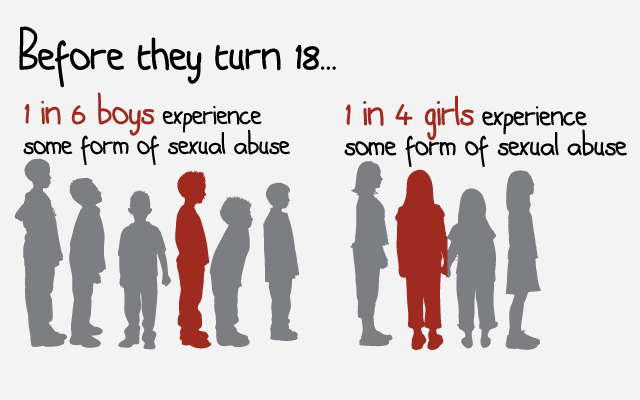
No comments,
Please click HERE to read or post comments.
Mission Statement: Mitigating the shame around sexual abuse, to emphasize recovery and to raise the level of mental health in society.
Subscribe to:
Posts (Atom)