As a rape victim I can personally account for how horrible and life changing it is. I hope you find this article as informative as I did.

February 22nd, 2017
Sick, dying and raped in America’s nursing homes – a CNN Investigation
They go to nursing homes to be cared for. Instead, the unthinkable is happening at facilities across the country: Vulnerable seniors are being raped and sexually abused by the very people paid to care for them.
Senior Writers Blake Ellis and Melanie Hicken provide a shocking and detailed account of the rape and sexual abuse occurring in nursing homes across the country — and the systemic failures of nursing homes and state regulators to stop it.
The graphic reports of abuse they uncovered are horrifying.
- 83-year-old Sonja Fischer fled war-time Indonesia as a young girl only to be raped by a nursing assistant during the “final, most vulnerable days of her life."
- An 88-year-old California woman only had sex with one man her entire life - her husband of nearly 70 years — then contracted a sexually transmitted disease from her alleged rapist.
- One elderly man with paralysis was sexually abused and forced to eat feces out of his adult diapers by a group of nursing aides.
As part of the five-month investigation, CNN Correspondent Ana Cabrera confronted multiple nursing homes where caregivers were accused of sexually assaulting multiple residents before eventually being convicted of rape.
Ellis and Hicken also read through thousands of government documents to conduct a detailed analysis of federal data - the first of its kind.
Some of the findings: CNN found that more than 1,000 nursing homes have been cited for mishandling or failing to investigate or prevent alleged cases of rape, sexual assault and abuse at their facilities between 2013 and 2016. Nearly 100 of these facilities have been cited multiple times during the same period. At least a quarter were allegedly perpetrated by aides, nurses and other staff members.
The reporters also traveled to the small town of Waynesville, North Carolina, to tell the story of one certified nursing assistant who worked at multiple facilities in the area and now stands accused of rape. This deeply reported account comes from police reports, court documents, interviews with the alleged victims and even the accused rapist, who denied the charges from jail.
Read the full investigation here.
Original Link @ http://cnnpressroom.blogs.cnn.com/2017/02/22/sick-dying-and-raped-in-americas-nursing-homes-a-cnn-investigation/


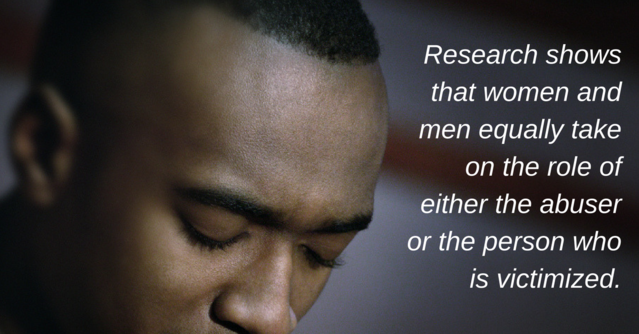





 suggested what he called
- Communication is designed to humiliate, shame, or demean. The abuser enjoys “finding fault” with or “correcting” their partner, frequently pointing out their mistakes as a way to put them down both privately and in front of other people.
- The abuser frequently belittles or disregards the other person’s thoughts, feelings, opinions, suggestions, or ideas, making it unsafe for them to freely or safely express themselves. In addition, they disregard the other person’s right to privacy or boundaries.
- Teasing and sarcasm are employed to make the other person appear foolish. Yet when the victim complains they are accused of being “overly sensitive” or not having a sense of humor.
- The abuser seeks to control all aspects of the relationship through financial withholding, verbal or physical intimidation, sex, granting or denying “permission,” stalking or harassing, or by making unilateral decisions that impact the other person.
- The victim often feels “punished” by the abuser and over time is brainwashed into believing that they deserve the maltreatment they’ve received.
- The abuser is usually emotionally distant and unavailable, forcing their partner to “work for” even the smallest degree of validation, support, or comfort. The victim is also made to feel guilt for wanting any emotional connection at all.
Since all of these behaviors are “normalized” or justified by the abuser, they create tremendous confusion and self-doubt in the victim. Part of why it’s so difficult for the victim to summon the courage to leave an emotionally abusive relationship is because they continually question their right to be upset, afraid, angry, or unhappy. In these situations, the support, guidance and encouragement of a well trained professional who understands the nuances of emotional abuse becomes a necessary resource.If you’ve found the strength to leave this kind of relationship, please share your story to inspire others.
About the Author
I hope you liked this article as much as I did.
-Deborah